A photorealistic product library, modelled from scratch
Building and rendering Marshall's entire amplifier range in 3DS Max — from studio-grade photoreal renders to real-time-optimised models for configurators — plus retail visualisations and early-stage concept work for R&D.
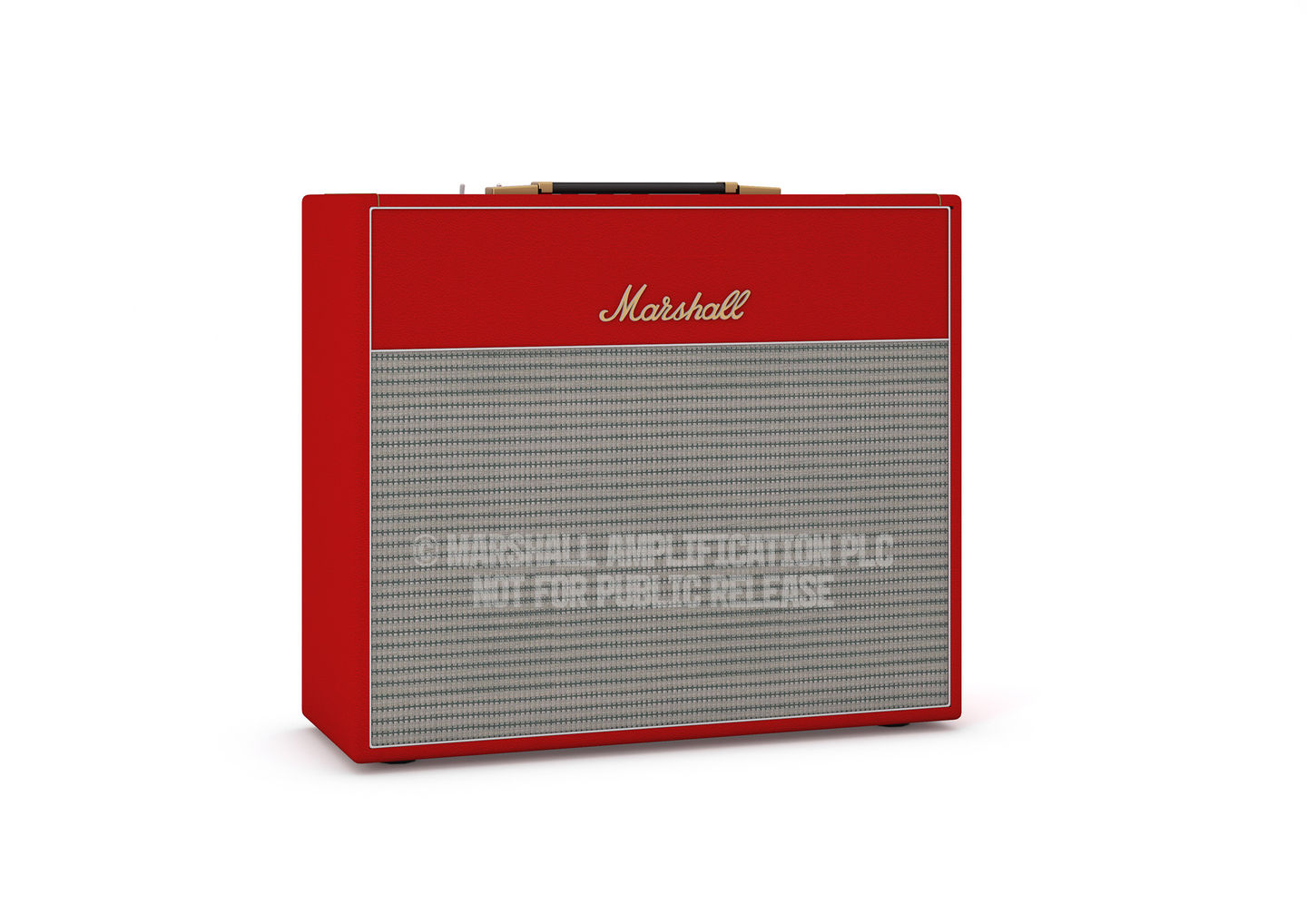
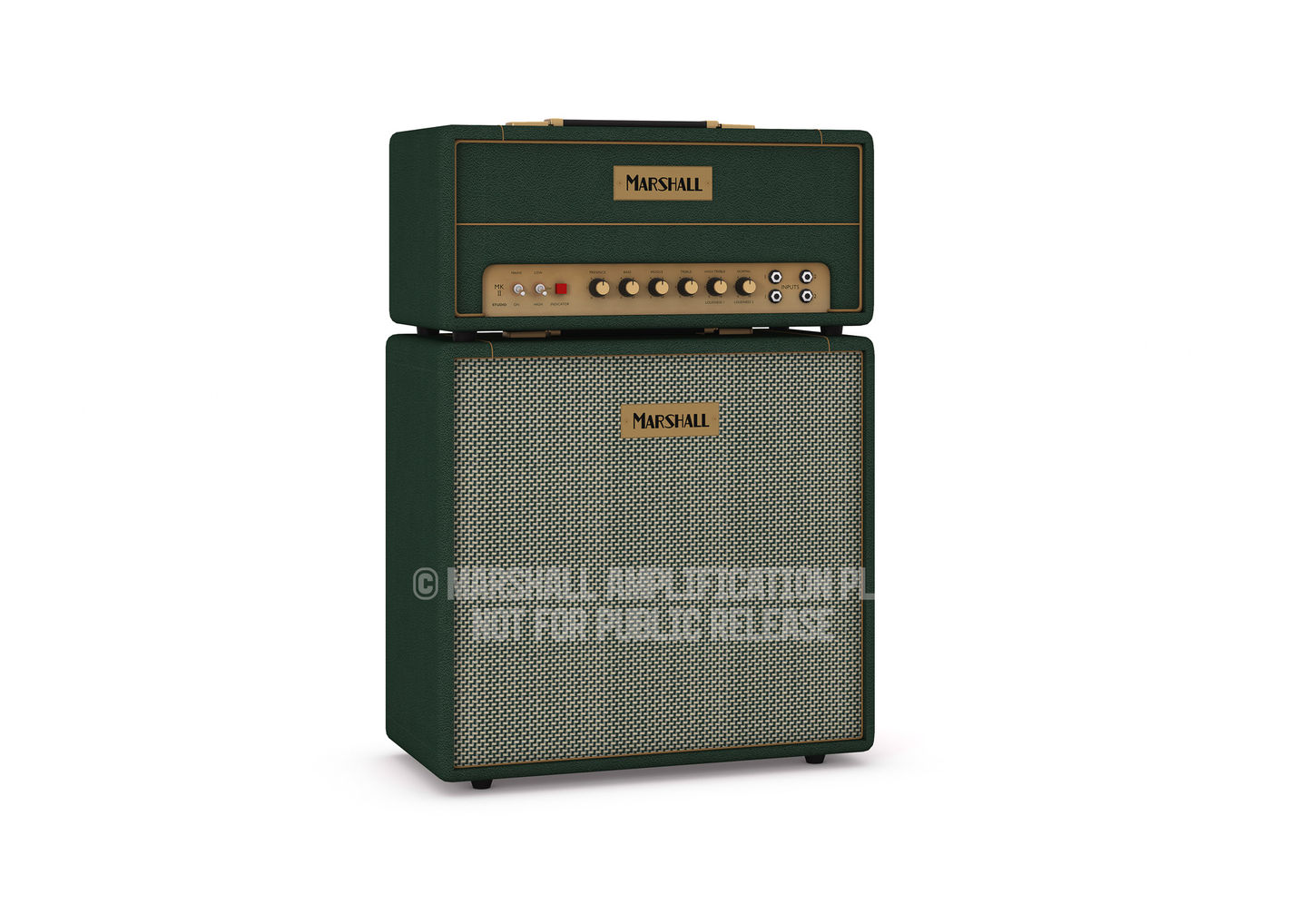
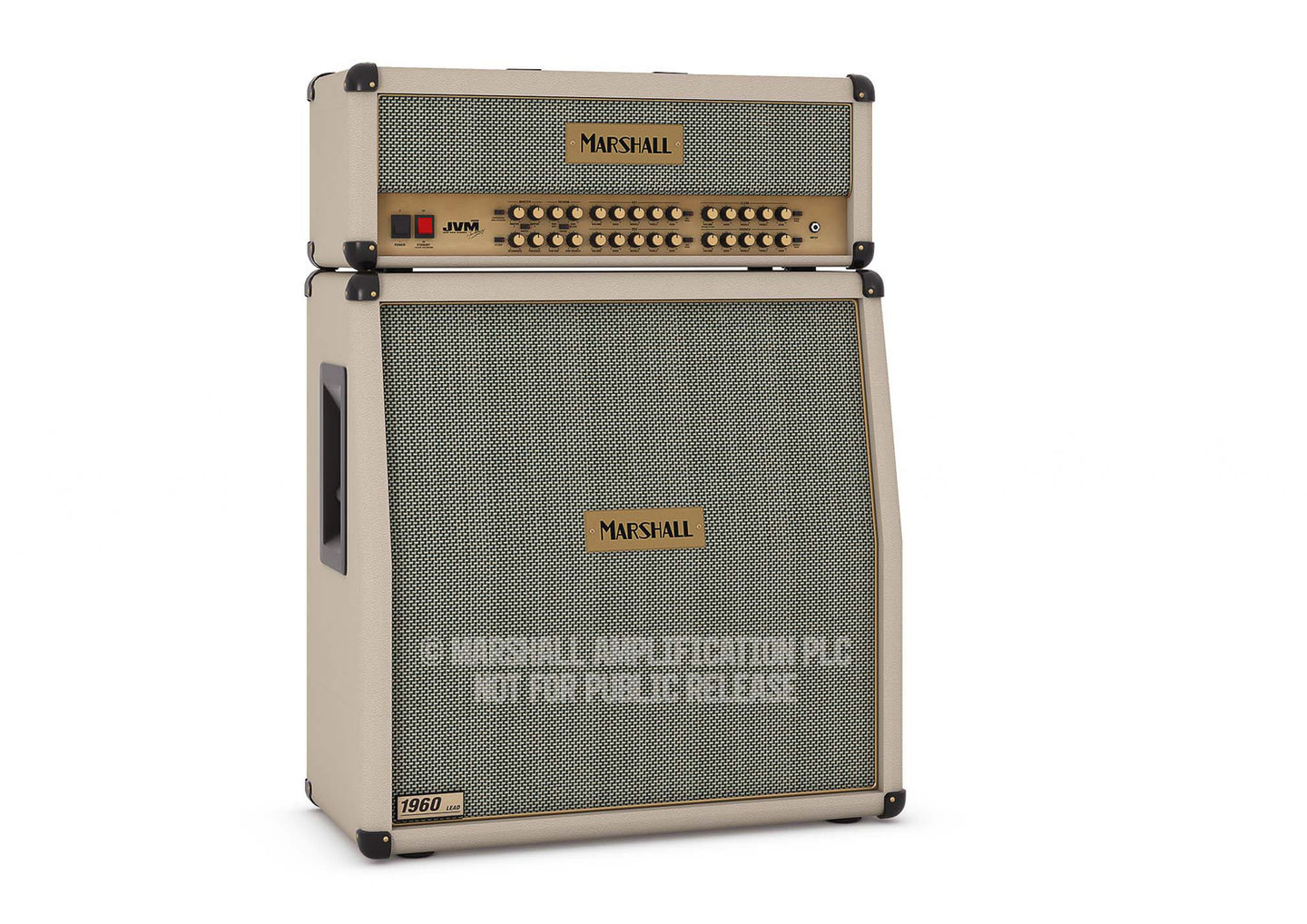
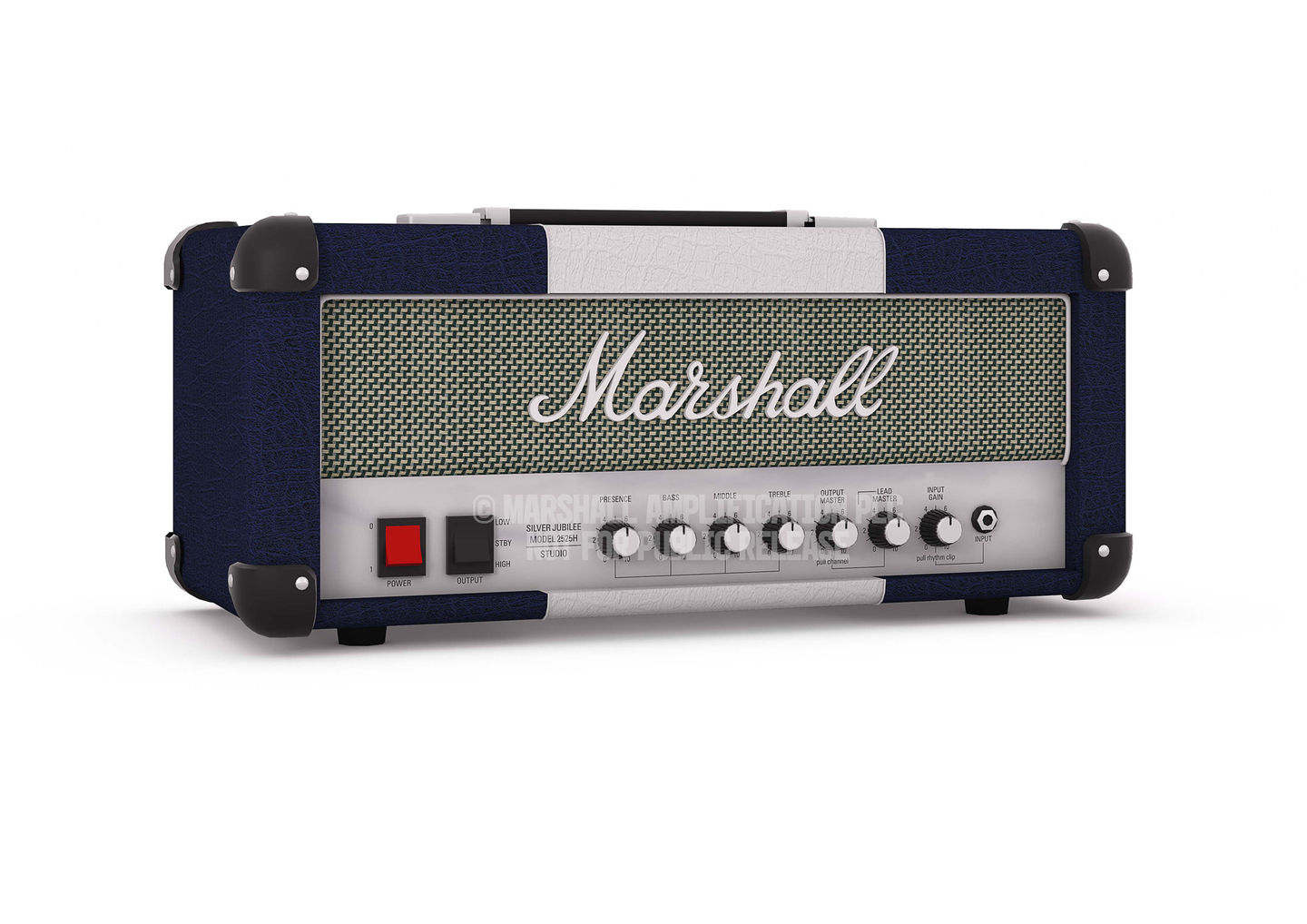
The centrepiece of my work at Marshall was the company's product library, every amplifier modelled from scratch in 3DS Max, at two levels of fidelity. High-poly versions were textured using real scans of the brand's signature materials, vinyl leather exteriors, woven fret cloth and printed control panel artwork, producing VRay renders indistinguishable from studio photography. Corresponding low-poly versions were optimised for real-time use in interactive applications and online configurators.
The Challenge
Two technical outputs, one source model, zero compromise
Every model needed to be materially and technically accurate enough to stand in for real product photography in marketing and retail contexts, while also producing a lightweight counterpart fit for real-time configurators and interactive applications. These are two very different technical outputs, with different polygon budgets, texture requirements and rendering pipelines, and neither could be allowed to compromise the quality of the other.
Underpinning all of it was Marshall's exacting material standards. The difference between a render that looked like a Marshall amp and one that just looked like an amp came down to getting the vinyl leather, fret cloth and control panel artwork right at the texture level, not just the geometry.
Beyond the Core Range
Accessories, retail spaces and early-stage concepts
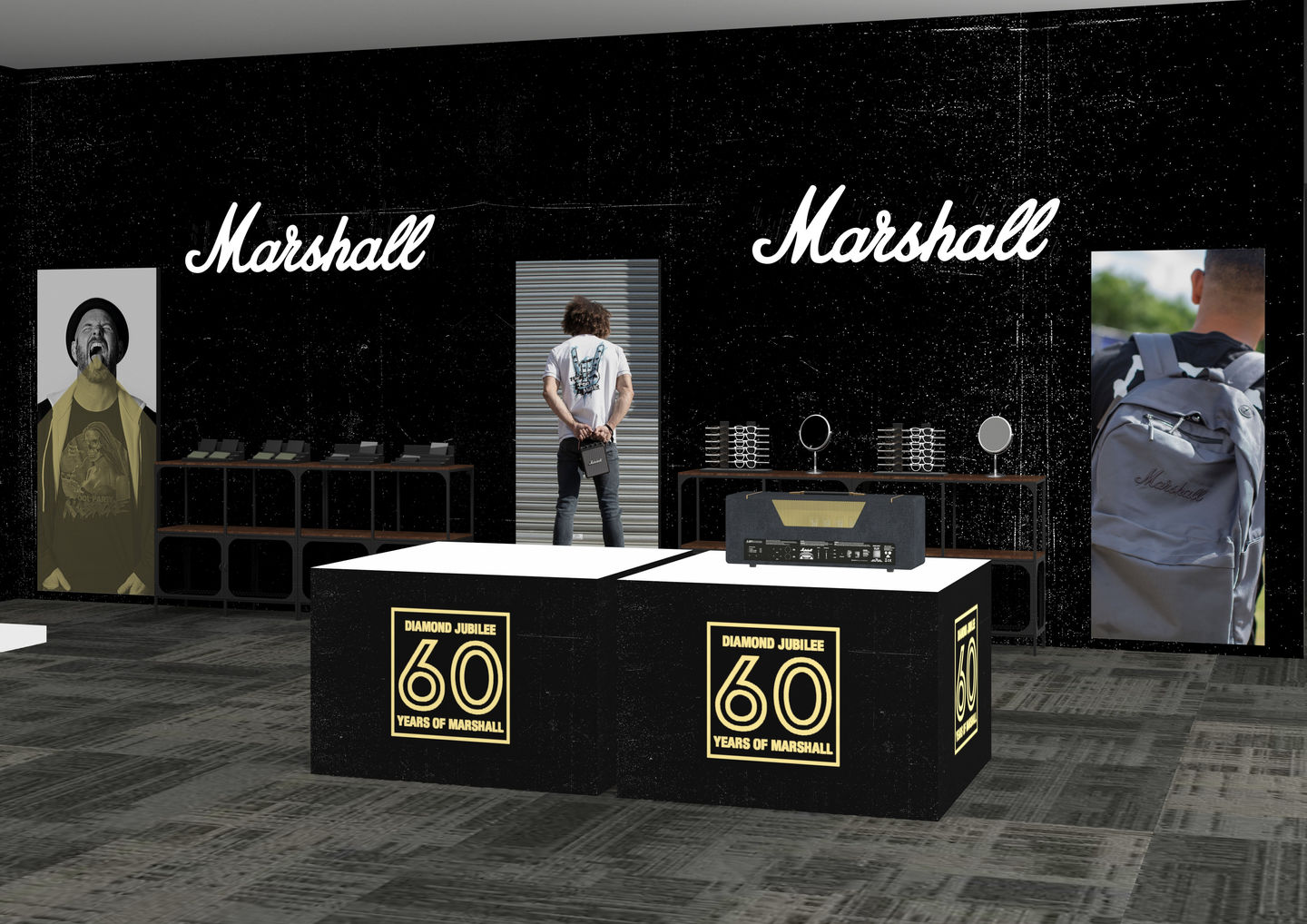
Beyond the core amplifier range, this work extended to accessories and peripheral products including speaker cabinets, branded key holders, and guitar pedals, all held to the same material standards as the flagship amps. Detailed event space and retail shop visualisations gave stakeholders a photorealistic view of how products and displays would look in physical environments before any build began.
A further dimension of the role was product concepting, translating early-stage ideas into polished 3D visuals that were handed over to the research and development team as a starting point for new product development, well before a physical prototype existed.
Deliverables
What was produced
Full amplifier product library — high & low-poly 3D models
Photorealistic VRay renders with scanned material textures
Built and maintained the definitive 3D asset library for Marshall's product range, used across configurators, marketing, and R&D for years after initial production.
Retail and event space visualisations let stakeholders validate physical builds before construction began, reducing costly rework.
Concept renders handed to R&D gave new product development a visual starting point well ahead of physical prototyping.
Lessons Learned
What this project taught me
Material fidelity is brand fidelity
Texturing renders with real scans of Marshall's vinyl leather and fret cloth, rather than approximated materials, was the difference between a render that looked like a Marshall amp and one that just looked like an amp. Getting the brand right at the material level mattered as much as getting the model right.
Plan a model's whole life before you build it
Building every amplifier at two fidelity levels, photoreal for marketing, lightweight for real-time configurators, only worked because that dual purpose was planned from the outset. Retrofitting a high-poly model for real-time use after the fact is far more work than building both with intent from the start.
Visualisation can de-risk decisions before they're expensive
Giving stakeholders a photorealistic view of a retail space or event build before construction began consistently caught problems on screen that would have been far costlier to catch on site.
Need 3D product visualisation?
From photoreal renders to real-time configurator-ready models, let's talk about what's possible for your products.